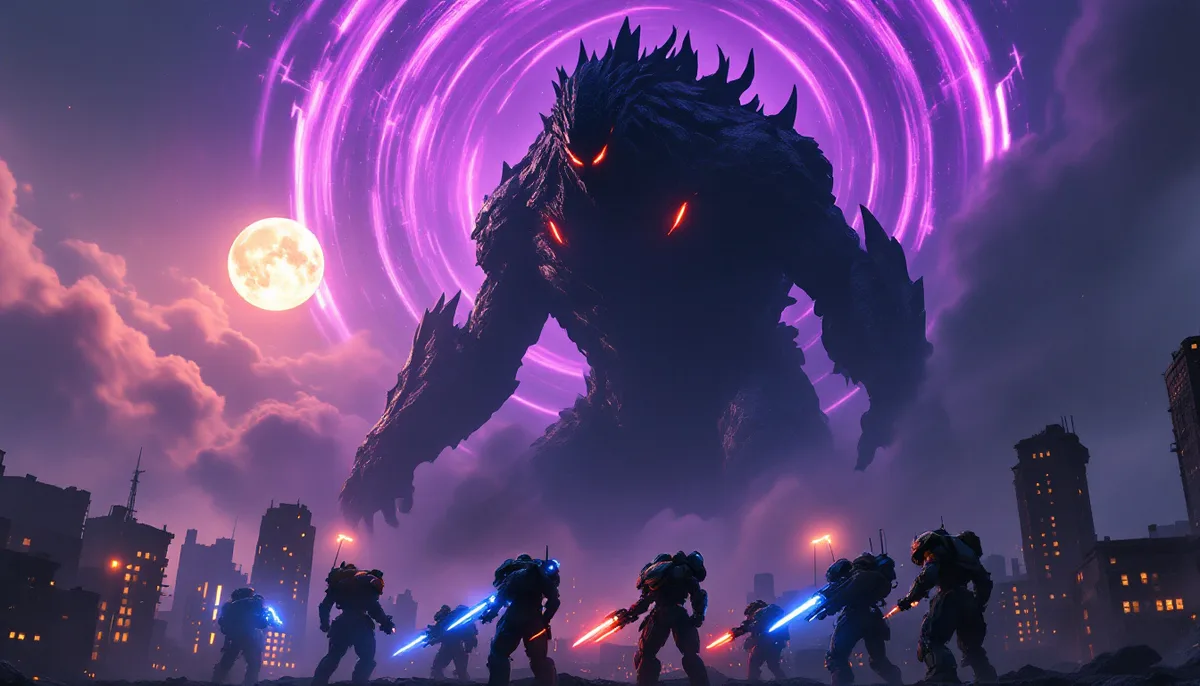
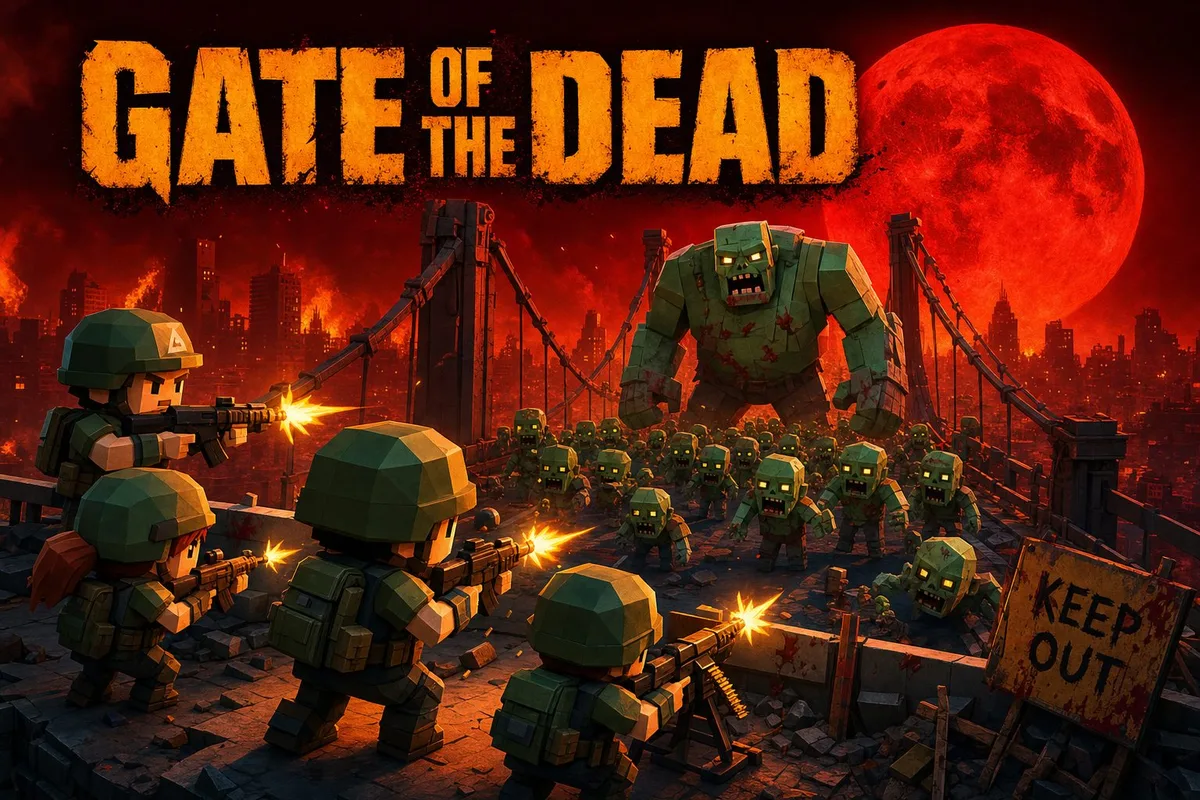
You know the ad. A tiny squad on a bridge, gates with big numbers, a wall of zombies, and when you click, the game does not exist. Our trend radar gave that frustration the top score, and I decided to do the obvious thing: make the game from the ad, and make it good.
Where the idea came from
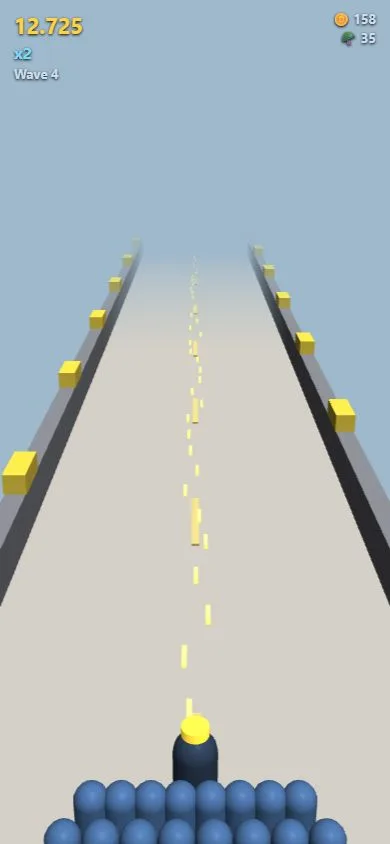
The pitch came out of the trend-search skill, which reads itch, Steam and search data and writes a report with a recommendation. The twist that made it ours is simple: the gate is not a quiz about picking the bigger number. The gate is charged by your bullets, and every bullet spent on the gate is a bullet that is not holding back the horde. Aiming became an economic decision, and greed has a price.
I also set the visual direction myself: chibi 3D, a high camera behind the squad, portrait first, so a single frame is recognizable in half a second.
The agents at work
I ran it through game-pm, which turns the GDD into a board of tasks and calls the specialists in order. The first rule of the house applied: gameplay before beauty. The prototype was capsules and boxes until the bridge loop was fun.
Then game-ux played as a brand new player and gave the build 5.4 out of 10. Onboarding got a 2: a new player died in the first wave without ever learning that shooting the gate sign charges it. That report was a gift, because it turned my vague feeling that the game was weak into a ranked list.
- game-balance built a headless harness that drives bots through many runs: an AFK bot, a gate-greedy bot, an edge camper, a zigzagger, an average player. The curve was tuned until each of them failed at a believable wave.
- game-qa played through Playwright on desktop and on a phone-sized viewport, and later on the Android emulator for the Play build.
- game-artist and game-audio filled the board with models, textures, music and sound, and game-dev wired it all up in Babylon.js.
- android-play carried the web game into an Android app: store listing, ads, purchases and leaderboards.
The AI toolbox
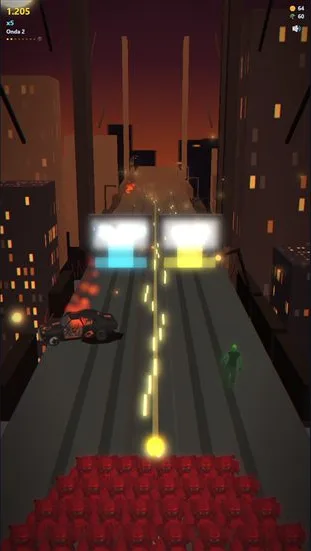
Characters and monsters come from a pipeline: Replicate generates a full-body concept with the weapon in the hands, Meshy turns it into a 3D model, then rigs and animates it. Blender, driven through its MCP, modeled the props for free: sandbag walls, tank traps, a searchlight tower, suspension towers, supply crates with parachutes, and later a pair of rigged and animated actors. Replicate also painted the cobblestone, rusty metal and building facades. Suno wrote the soundtrack, and ElevenLabs made the gunfire, the arcade ding of the gate, the zombie moans and the sergeant who yells at you.
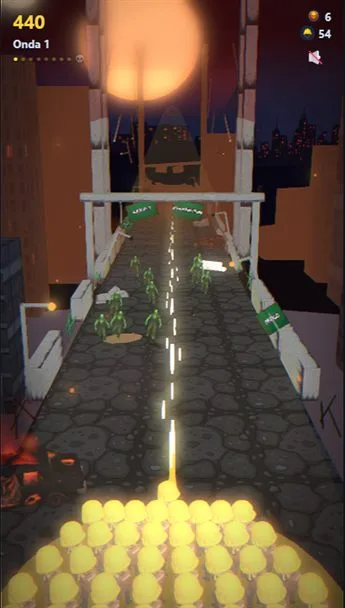
The "too easy, no tension" feedback became a full pass of horror: weather sectors, red fog, rain, a heartbeat that speeds up as the squad shrinks. Later came the Abomination boss, who summons his own horde, and an infected pod that falls from the sky and hatches if you ignore it. That pod was my idea, a balloon that turns into monsters. The design twist was to keep the good supply crate honest and make the infected one a second, visibly different drop.
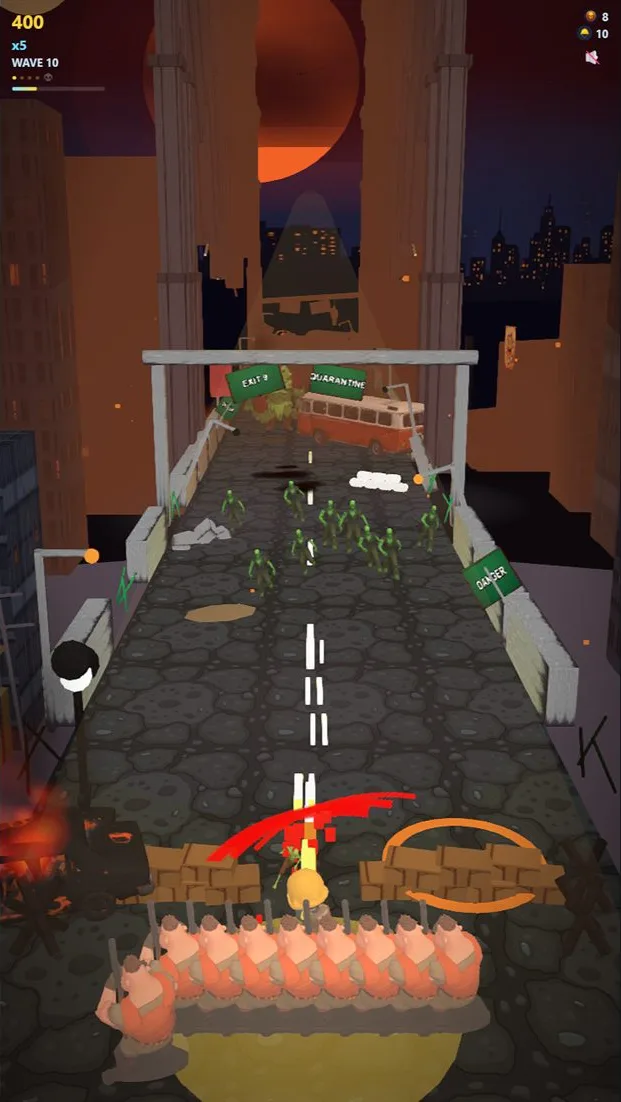
The bridge is still the same for everyone each day, with a global leaderboard and no sign-up. How long can you hold it?
Game developed by Kelvin Biffi: kelvinbiffi.com
Soundtrack made with Suno through SunoBoard.
Sound effects made with ElevenLabs.