Lighthouse Café is not out. It is not on any store, it has no release date, and I am not going to invent one. It is the biggest project of the studio so far, and it is a good example of how a game gets planned before the fun part, so here is where it stands, with what is real and what is still a plan.
A game someone at home used to play
The idea came from home: someone close to me played a café management game and I wanted to make one. Before drawing anything, we did the research. The market study read the Play listings of 35 café and restaurant games and about 4,400 recent reviews of eight key ones, plus gameplay videos. The finding was clear: players love the core loop and hate the same things everywhere, price jumps after the first levels, forced ads, lost progress and updates that make the economy worse. The verdict was "worth making, as the fair version of the genre".
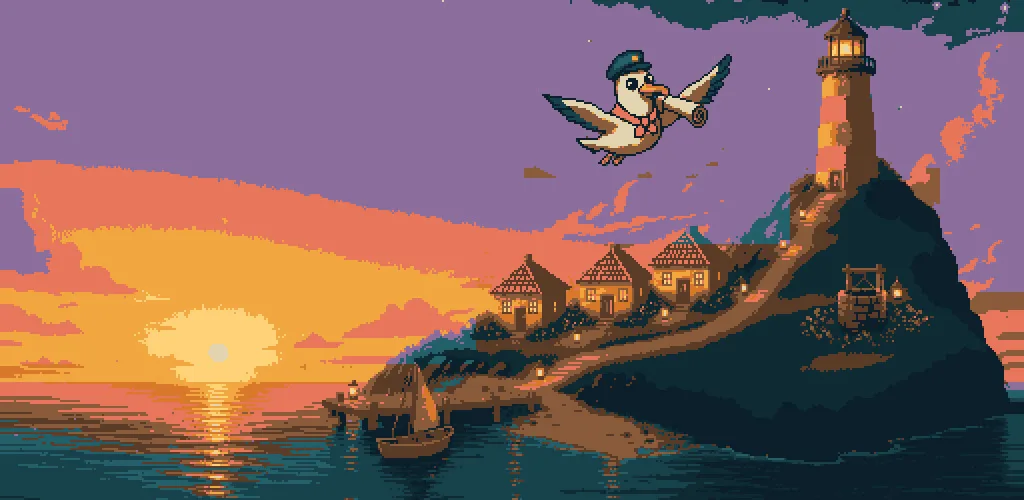
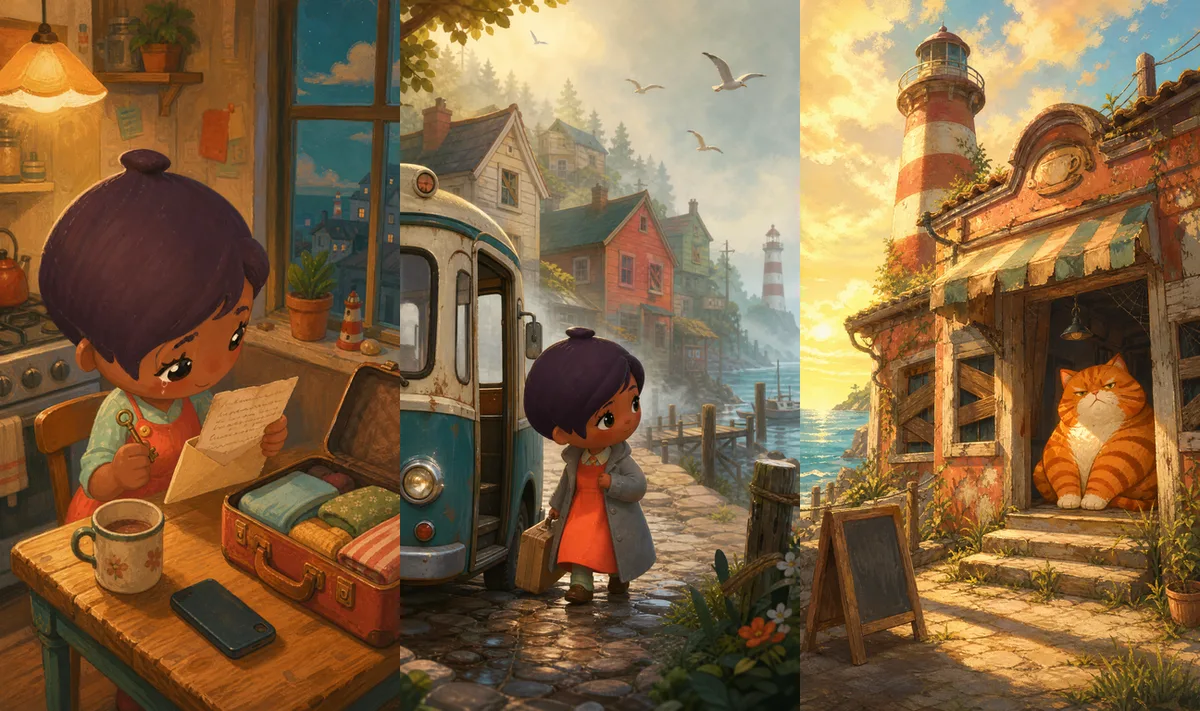
The theme was chosen from the data, not from taste. Medieval taverns were niche, cute animals were great for idle games but could not carry a story, and the growing group was drama plus rebuilding a business. So the game is about Maya, who inherits her grandmother's café at the foot of a striped lighthouse in a seaside village, along with an old orange cat called Biscuit and a recipe book with strange notes in the margins.
Paper first, with agents reading it
The GDD is split across several documents: the world and cast, a systems document for everything that grows (a hall that expands with real-time construction, mostly free over time, with money only shortening the wait or adding decoration), a social document and a visual benchmark. The benchmark caught something that changed the project: the big café games are landscape, ours is portrait. The answer was to design the café as a vertical diorama, counter at the top, street at the bottom, with pan and zoom from the first minute.
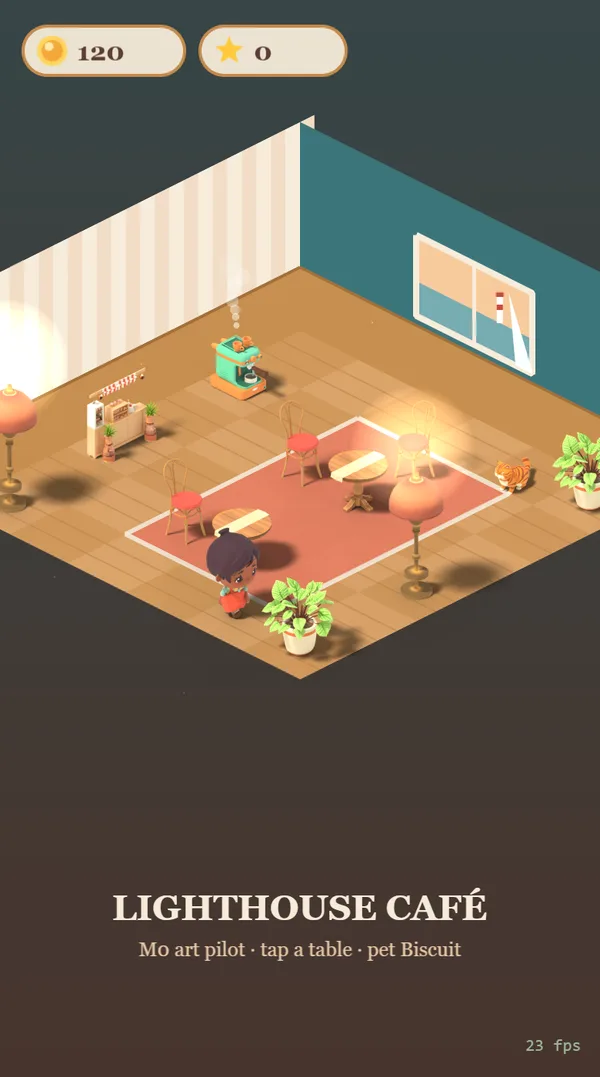
The art pilot, and the pipeline behind it
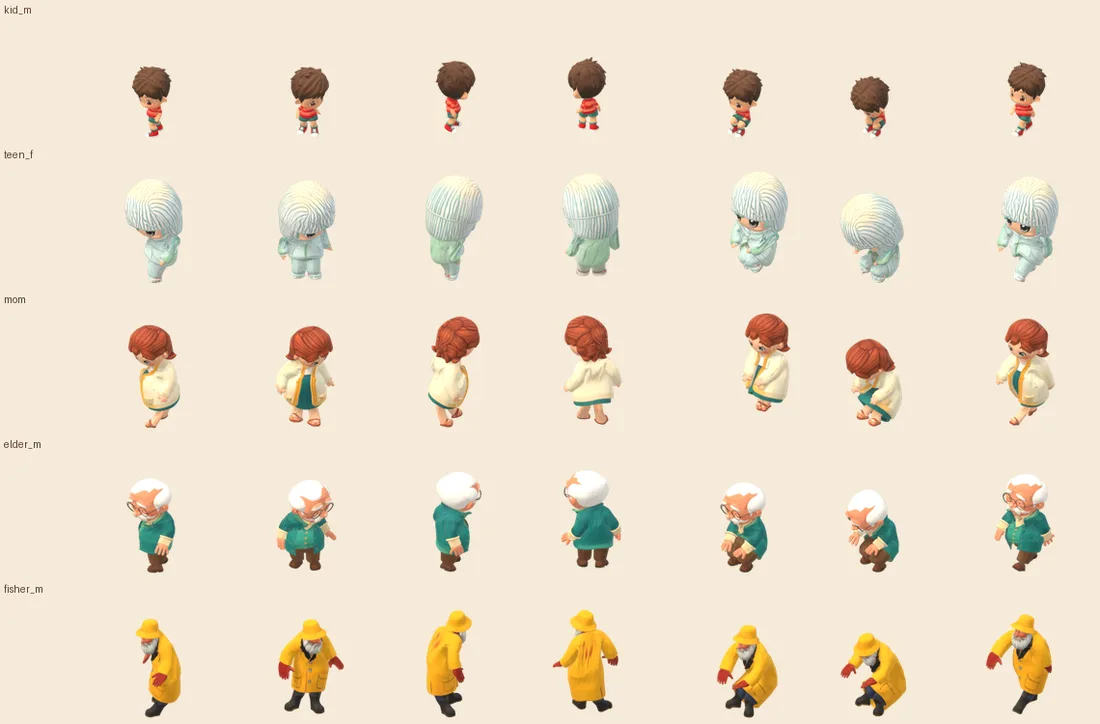
game-artist does not draw sprites by hand. It generates 3D models with Meshy, renders them in Blender from the command line at four isometric rotations with a baked shadow, and exports PNGs plus a small JSON file with the anchor point of each piece. Phaser then loads those like normal sprites. The pilot existed to prove this chain on a few pieces before generating hundreds.
It paid off immediately. Glass does not work in Meshy, the first display case came back with wooden "glass". Meshes sometimes arrive with loose junk floating around them, so the render keeps only the largest piece. Characters need all four rotations, because mirroring the front does not give you the back. And one mistake was mine: running the generation script twice on the same list charged us twice, so the script now creates a lock file.
What exists today
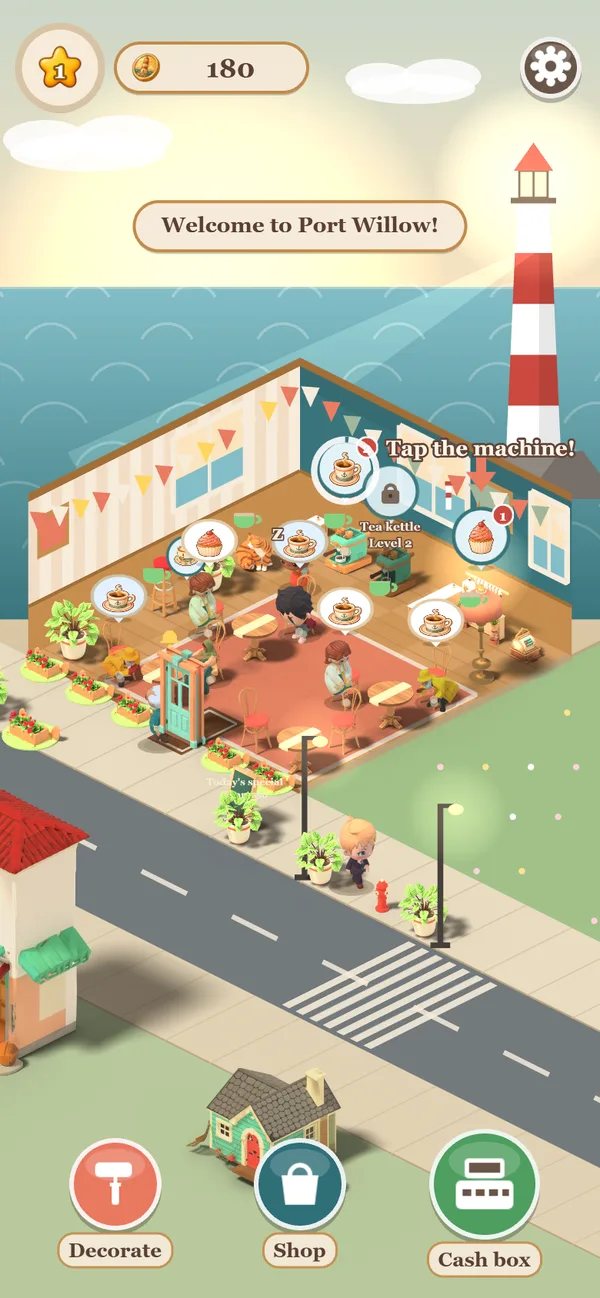
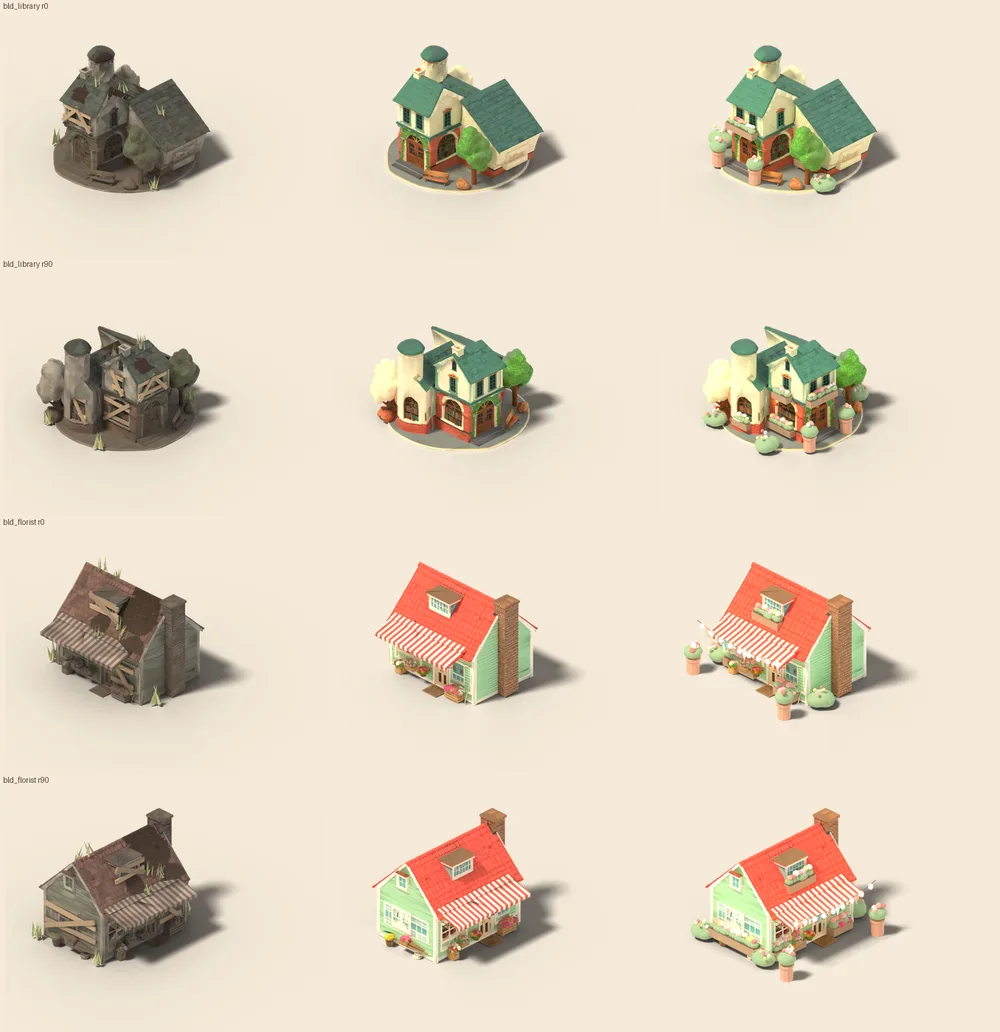
There is a playable web build, tested in a phone-sized window: customers fill the café, the stations make drinks, the hall grows through construction sites, you can decorate and shop, there is a first story with a village where a bakery is restored in three stages. Painted portraits and story frames came from gpt-image-2, the music from Suno through SunoBoard and the sounds from ElevenLabs. An Android package already builds and runs in the emulator. All of it can still change, and a few new village buildings are waiting for the next batch of 3D generation.
Each agent owns its own folders, and nobody writes in someone else's. Requests go by message and every agreement that changes a contract is saved as a short note. game-writer wrote the chapters and the neighbors' requests, game-audio built the music and ambience, game-balance wrote a simulator for the economy, and game-qa, game-ux and game-vfx review everyone else.
So, in development. When there is something to play, it will show up on the studio page. Until then, this is the honest state of the café.
Game developed by Kelvin Biffi: kelvinbiffi.com
Soundtrack made with Suno through SunoBoard.
Sound effects made with ElevenLabs.