K3 Games Studio has one human on the team, and that is me. Everything else is a crew of AI agents that I direct through Claude Code. This post explains how that crew is organized, because every other post in this blog refers to it.
The idea: roles, not prompts
Early on I noticed that asking one long conversation to do everything produced mush. Code, art direction, balance and QA all pull in different directions. So I split the work the way a small studio would: each role is a skill, a written job description that Claude Code loads when it needs that specialist. The job description says what the role owns, which files it reads, which tools it may use and what it has to hand back.
- trend-search studies what people play and search for (itch.io, Steam, Google Trends, the Play Store) and writes a report with a recommendation for the next game.
- gdd-forge turns an idea into a game design document and a world bible, plus the asset brief.
- game-pm is the producer. It reads the GDD, picks the technology, breaks the work into a board and calls the other specialists in the right order.
- game-dev writes the game (Phaser 3 for 2D, Babylon.js for 3D, and a TypeScript, Vite and Capacitor stack for the Android games).
- game-artist, game-audio, game-writer and game-vfx make the art, the music and sound, the words and the game feel.
- game-balance owns the numbers, and proves them with a headless simulator that plays thousands of runs.
- game-qa plays the game through a real browser and reports bugs with steps and screenshots. game-ux plays it as a brand new player and judges whether it is fun, readable and worth coming back to.
- android-play knows how to package, sign, test on an emulator and ship to Google Play without getting rejected. game-publisher prepares the store page and the launch.
The loop that matters
The producer keeps a board file for each game. The loop is always the same: the developer builds, QA tries to break it, UX plays like a stranger, and the developer fixes what they found. A game only moves to done when the quality gates pass, for example no open blockers from QA and a minimum score from UX. And there is a rule I borrowed from real studios, the two hats rule: whoever creates does not approve their own work. Each creative skill has a create mode and a review mode, and the review runs with fresh eyes, re-deriving everything from the design document.
Nothing goes public without my explicit approval. The agents can build, test and prepare, but publishing is mine. That one rule has saved me from a few embarrassing moments.
The tools behind the roles
Skills are the org chart. The tools are what each role holds in its hands, and most of them arrive through MCP servers that Claude Code can call directly:
- Claude Code is the engine that runs every role, reads and writes the project files and orchestrates the others.
- Playwright MCP lets QA and UX open the game in a browser, tap, swipe and take screenshots, on desktop and on a phone viewport. For Android we also test on an emulator.
- Replicate brings image models, including Retro Diffusion for real pixel art. PixelLab and Meshy cover characters, animations and 3D models, and the Blender MCP drives Blender when a model needs fixing or a render.
- Suno makes the soundtracks, through SunoBoard, a tool I built to call Suno from Claude Code. ElevenLabs makes sound effects and voices.
- viral-recast reads ads and viral posts so we can see what actually works before we build.
What a human is still for
Taste, direction and the final yes. I choose which idea is worth a game, I play every build, I notice when something is technically fine and still boring, and I decide when to ship. The family is the first playtest, and an honest "it is not fun yet" from them has been worth more than any report. The agents are fast, but they will happily polish the wrong thing if nobody points at the right one.
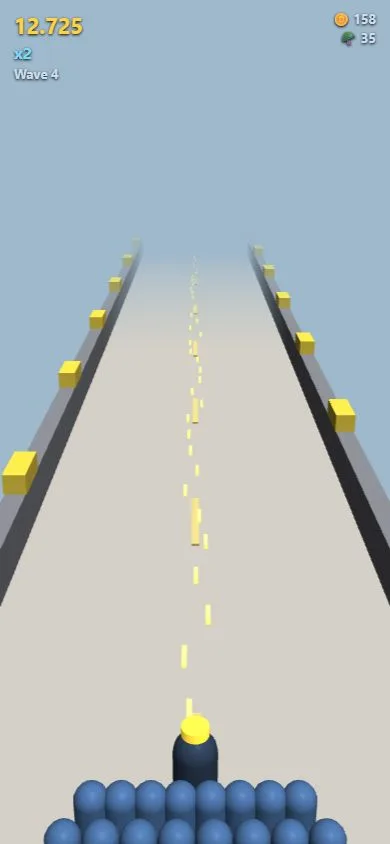
The next posts take the games one at a time and show how this plays out in practice, including the parts that went wrong.