
Countryside Cove did not start as a farm. It started as a fishing game, and it only became a farm when I asked for something much closer to the cozy farm sims I love. What follows is the honest version: the rectangles, the rejections and the tools that finally made it look like a place you want to live in.
A fishing rod, then a whole life
The seed was a short document about cozy countryside life, checked with trend-search against what people were playing and searching for. The first GDD was about fishing. Then I asked for a Stardew-style game and the scope changed overnight: farm, village, six neighbors, seasons, a clock. The GDD was split into a version we could build now and a bigger one to grow toward, which kept the promise honest.
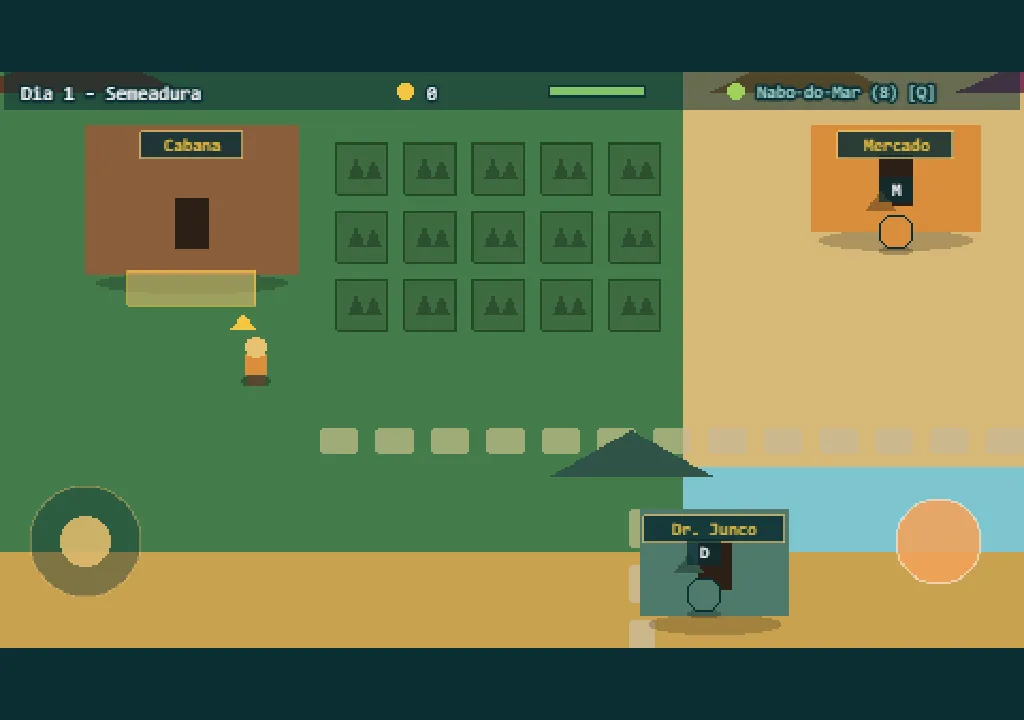
I kept saying it was still not good. The first time, instead of guessing, the project manager played the whole map and took screenshots of four places. The diagnosis was not the gameplay: the world was huge and empty, flat colors with nothing in them, and the top bar changed color depending on where the camera was. After that I stopped blaming the engine. The gap to the games I admired was the art, not Phaser.
Four rounds of art before it looked right
game-artist went through several approaches. First pixel art generated by code, with zero cost. Then cartoon sprites from a game-asset model on Replicate, much prettier but not crisp pixels. Then the pivot: Retro Diffusion (rd-plus) for real pixel art, with the sprite keys unchanged so the swap was painless, and the cartoon set kept as a backup. A trick that saved the ground: asking for tiles without the prompt expansion, which was adding bushes to every grass tile.
Then PixelLab through its MCP. It took our own farmer sprite as a reference and rotated it into eight directions from a single generation, then animated walking, watering, hoeing, harvesting, mining and swinging a net. Wang tilesets gave the beach, the roads and the shoreline organic edges. I tried Meshy too: the generation finished, but the MCP could not hand me the file, so that path was dropped.
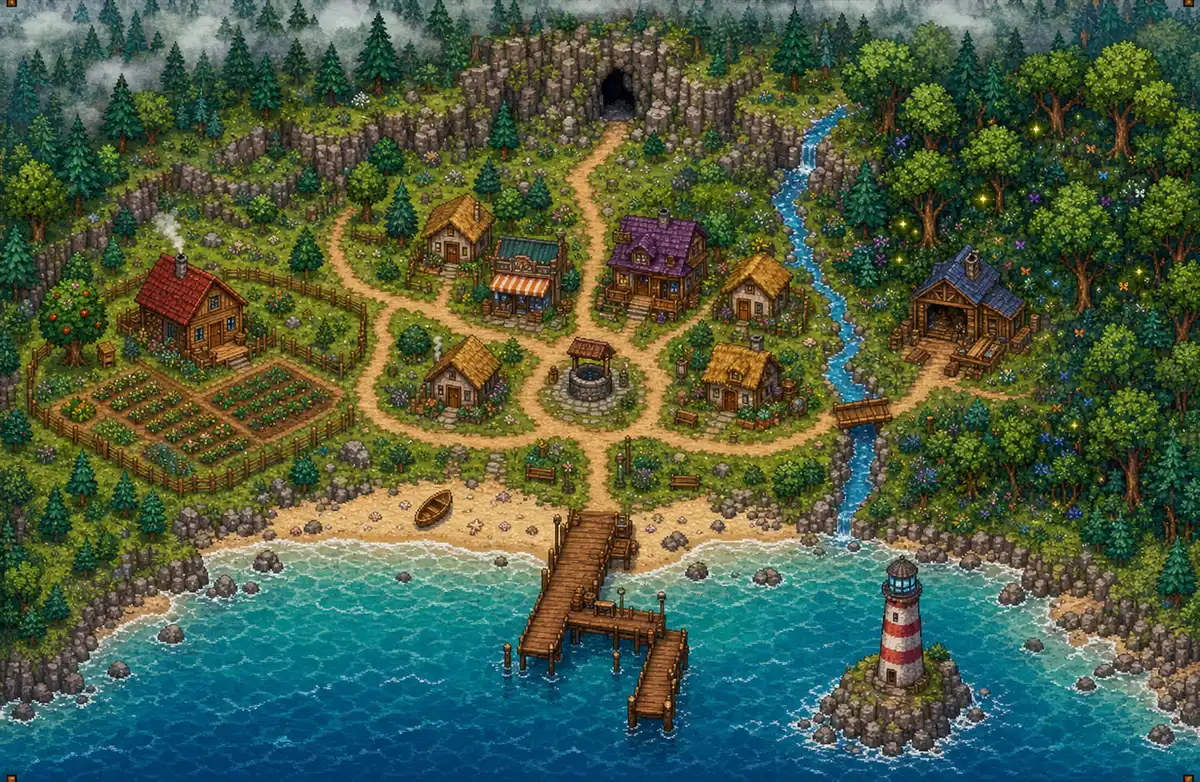
The best single decision came from gpt-image-2: a painted poster map of the cove, drawn from the world document. It became the blueprint. The world was divided into five areas that match rectangles on that map, the in-game map shows a "you" marker and a golden arrow to the next objective, and the poster is now the picture at the top of this page.
QA that said no
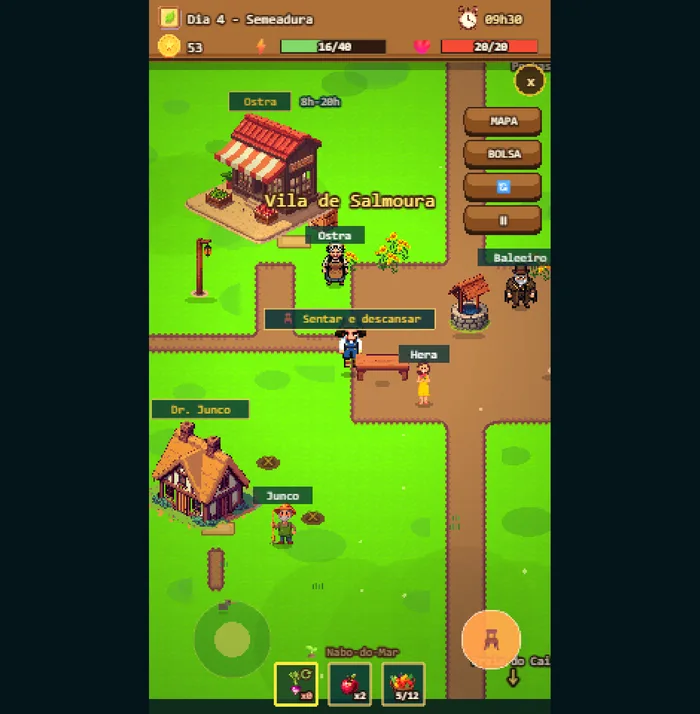
game-qa rejected the first formal build: the action button was dead on a phone and the clock at midnight skipped about twenty days. game-ux then scored the game 5.4, with a sentence I still like: beautiful standing still, frustrating in motion. The tutorial told you to plant while the game forbade it, because you had no coins. game-audio added day and night music with Suno and the sound effects with ElevenLabs, game-balance simulated a fortnight of routine to tune the stamina, and the first playtester from my own family reported seven things we fixed one by one, from "a punch when you have no sword" to joystick anywhere on the screen.
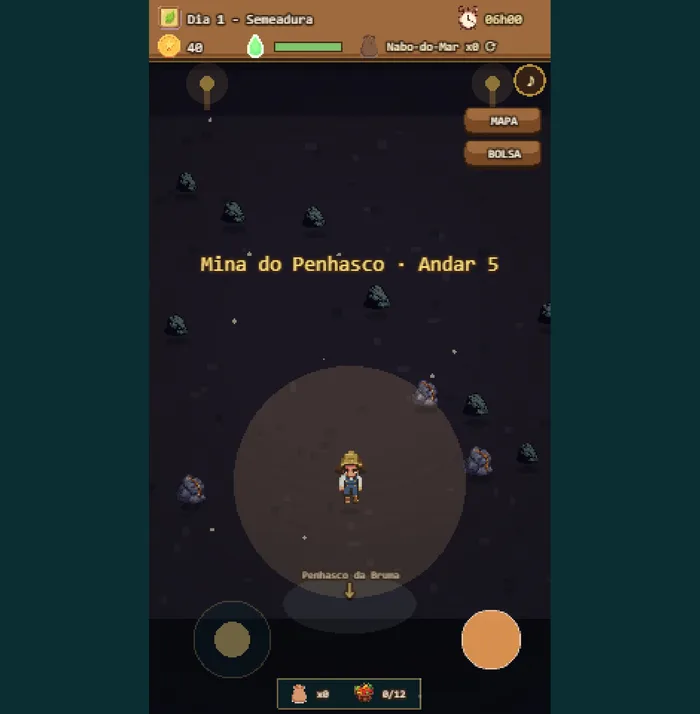
game-pm kept the loop going: a mine, a backpack, a museum, rain that waters the crops, a festival, animals, a blacksmith. Each round was played with real input, not just function calls.
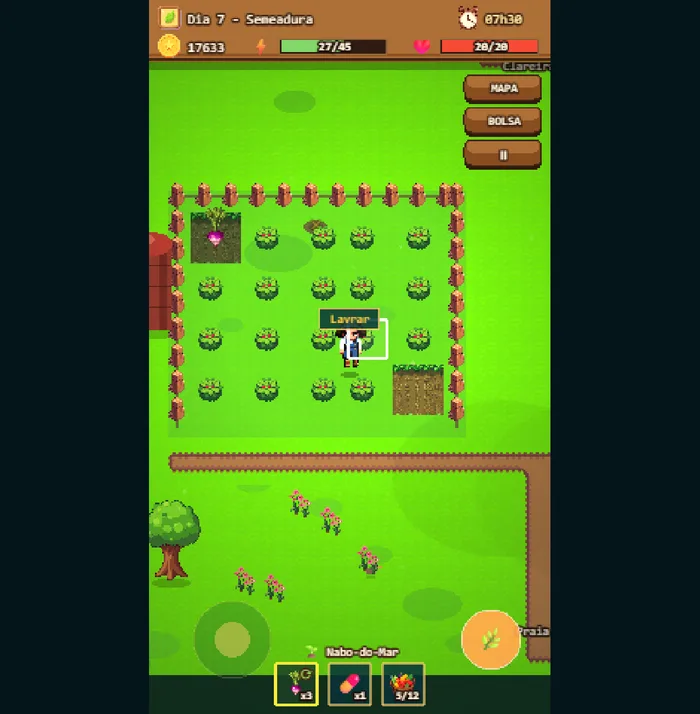
Countryside Cove is on Google Play, with the cove still growing. The family playtest keeps finding the things my agents are too polite to notice.
Game developed by Kelvin Biffi: kelvinbiffi.com
Soundtrack made with Suno through SunoBoard.
Sound effects made with ElevenLabs.